Essential accessories for an MTB ride
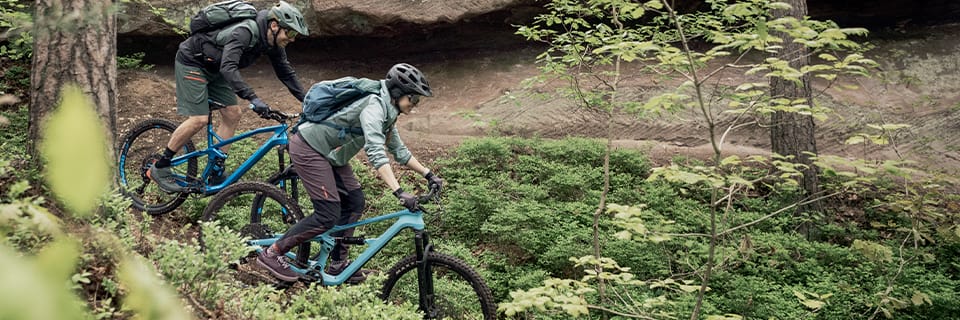
Every MTB ride has its share of surprises, good or bad. We'll focus on the bad ones — those that can truly ruin your enjoyment. There are crashes, punctures, physical setbacks, mechanical incidents, unpredictable weather… To make the most of your ride, it is better to anticipate these risks and plan all the solutions to overcome them.
Probikeshop invites you to take stock of the essential accessories to bring on an MTB ride.
Preparing well for your MTB ride
Hitting the trails is not without risk, especially if you ride regularly. Exposed to the terrain, your bike is not immune to a mechanical failure or a puncture, which can strike without warning. You yourself may experience a crash, suffer in the rain or even dehydration. Fortunately, there are the essential accessories for the MTB rider in distress, which can save a ride that has got off to a bad start.
To prepare well for an MTB ride, it is not enough to choose a good route. You also need to take stock of all the items that could be useful along the way. Your choice depends mainly on the length of your ride. Obviously, setting off on an MTB tour requires far more equipment than a quick session decided on leaving the office.
If we raise the question of how many accessories to bring on an MTB ride, we must also dwell on transport solutions. Backpack or hip pack? Bidon or hydration bladder? The idea is to always optimise your load, so as not to over-encumber yourself and hinder your handling.
Essential accessories for short MTB rides (under 3 hours)
Some accessories are always useful, regardless of the rider's profile or the type of ride. These are "the essentials" that go with you everywhere! We're talking about basic supplies (water and snacks) and the minimum tools for common repairs. We're not talking about the helmet, whose importance goes without saying.
Repair: inner tube, mini pump, tyre levers and multi-tool
You should always remember to bring your puncture repair kit. You need at minimum one inner tube, a mini pump (or a CO2 cartridge and a puncture device if you are used to them) and tyre levers.
A compact multi-tool is another "essential". It takes up very little space and gets you out of trouble in many situations. Thanks to the various Allen keys, you can tighten certain fixings or make adjustments at the side of the trail. We recommend choosing a multi-tool with a chain breaker function and carrying a quick link.
All these items fit easily into a saddle bag. The pump can be attached to the bottle cage mount, the inner tube strapped to a frame tube.
Basic hydration and nutrition
Even for a short ride, make sure you have at least one water bottle. It normally fits in its bottle cage, otherwise it can be stored in the dedicated pocket of your hip pack.
Take at least one cereal bar to keep your ride safe. Stored in a jersey pocket or in your hip pack, it helps you get through a moment of weakness and stave off the hunger knock.
The indispensable mobile phone
A mobile phone is essential for managing urgent situations. You remain reachable and can call for help in the event of a bad crash. The smartphone can also help you find your way back if you are riding without a GPS bike computer. Remember to store it in a pocket sheltered from rain/sweat or to keep it in a waterproof case.
The hip pack: practical for short rides
For a short MTB ride that is meant to be fast and dynamic, avoid carrying a backpack. It is better to ride unencumbered, without loading your back and shoulders. The hip pack or MTB hip pack, which is far less bulky, is a good alternative. Light and practical, it fades into the background in the heat of the action! You can easily store your keys, phone, change, supplies, tools, etc.
Complementary accessories for full-day MTB rides
Naturally, the longer you ride, the greater the risk of encountering a problem. And the further you venture onto the trails, away from all civilisation, the more problematic a breakdown becomes. If you are riding all day, here is a series of complementary accessories to set off more peacefully.
The hydration bladder for staying well hydrated
First of all, it seems advisable to set off with at least 2 litres of water. You can bring 2 bidons or choose the option of a 2L or 3L hydration bladder, integrated into a backpack or hip pack. The best approach is to plan your route anticipating stops to top up your levels.
In the same way, you need to plan for supplies in greater quantities. Take your favourite bars, sweet or savoury, fruit pouches, energy sweets… You can also stop along the way at a bakery (always slip a little change into your MTB bag).
The complete puncture repair kit
If you are heading out for the day, bring a complete puncture repair kit to deal with a run of bad luck with punctures. Add patches, a tube of glue and sandpaper to your basic kit (inner tube, pump, tyre levers). For tubeless-mounted tyres, don't forget your Tubeless plug kit and the right tools to go with it. Your puncture repair kit takes up very little space in your hip pack or backpack.
The chain tool and spare links
To ride with peace of mind, you should always have the means to repair a broken chain. Dreaded by MTB riders, this kind of failure can bring your ride to a sudden halt if you are not equipped. Add an effective chain tool to your list of accessories and count on a few quick links to replace the broken link.
All the accessories to pack in your backpack
A full day on the bike requires at least a comfortable hip pack. The larger ones have a capacity of 5, 6 or 7 litres and should include a pocket for your hydration system. If your load demands it or if you prefer, there is a wide choice of backpacks that are very well optimised for MTB, staying very stable on the trails.
Here is a list of useful complementary accessories to slip into your bag/backpack:
Essential accessories for a multi-day bike trip
MTB enthusiasts and travel lovers are used to setting off on multi-day touring rides. These bike trips, whether very wild or well-marked, always require thorough preparation beforehand. You need to plan your route, define your stages and anticipate all the logistical questions (food, accommodation, repairs).
You also need to plan in detail the equipment that will accompany you during the trip. All the equipment mentioned previously is necessary. You need to add extra equipment specifically for MTB touring.
Your luggage for long-distance MTB touring
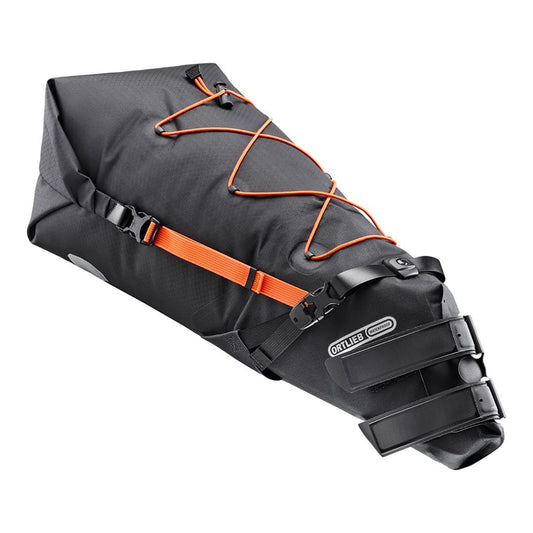
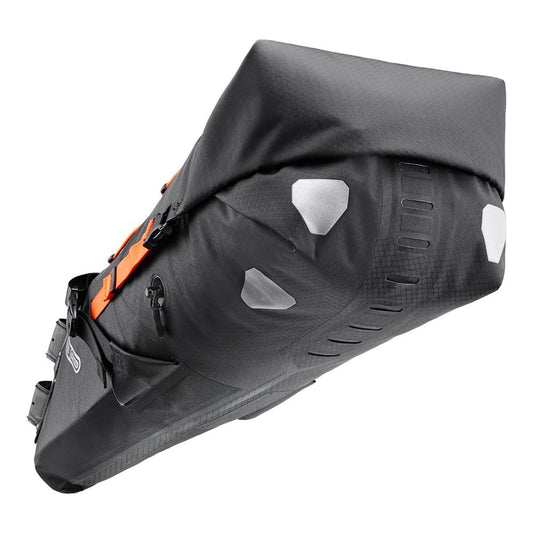
You will absolutely need a comfortable MTB backpack with a minimum loading capacity of 30 litres. For full self-sufficiency, add bikepacking bags (handlebar and saddle). If you ride a hardtail, add a frame bag if the geometry allows it.
Your bivouac equipment
If you plan to bivouac for the night, your bags need to be able to hold your sleeping equipment (sleeping bag, sleeping mat, ultra-light and compact tent, stove). This equipment fits easily into bikepacking bags for the handlebar/saddle.
Accessories to consider when travelling by MTB
On a multi-stage MTB trip, comfort is a particular focus and sufficient changes of clothing are planned. A few extra tools, MTB maintenance products, a first aid kit… are added.
The following accessories should be added to your "essentials":
Découvrez tous nos conseils & Tutoriels
ACCESSORIES - Bikepacking
-
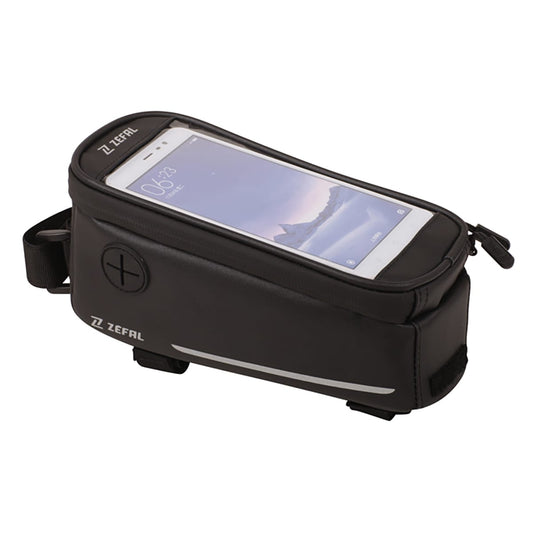
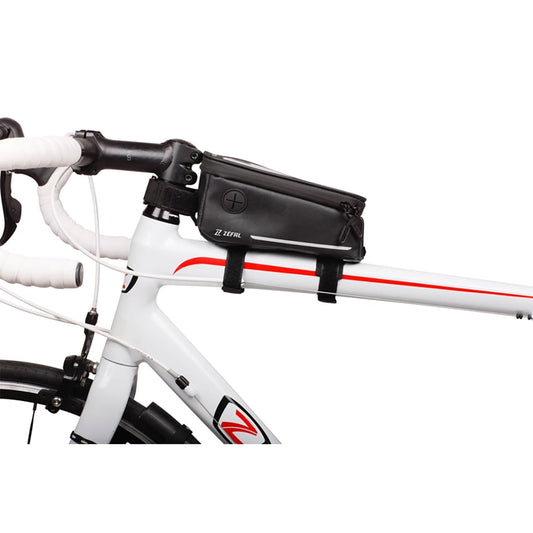
Frame Bag ZEFAL CONSOLE PACK T1 0.8 L Black
Regular price 212.00 SEKRegular priceUnit price per -
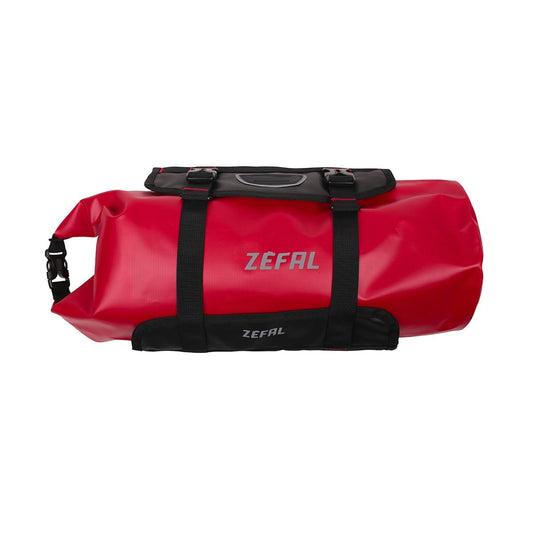
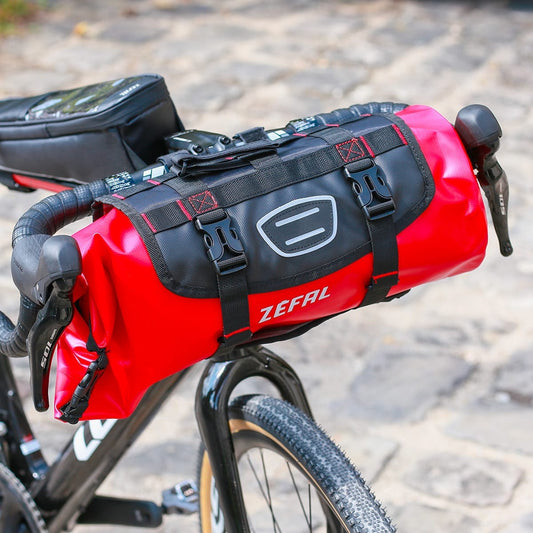
Handlebar bag ZEFAL Z ADVENTURE F10 10L Red
Regular price 471.00 SEKRegular priceUnit price per -
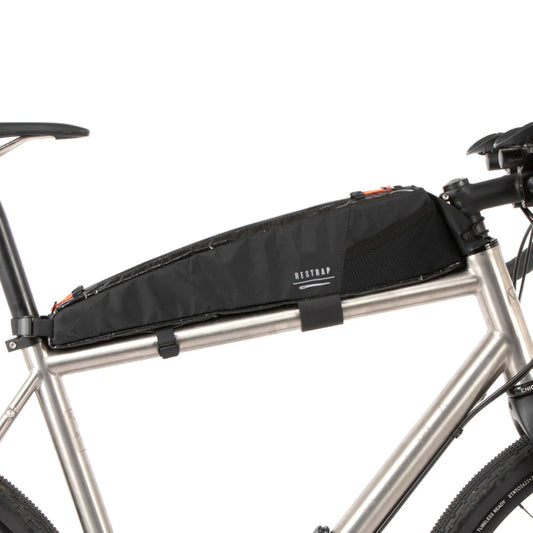
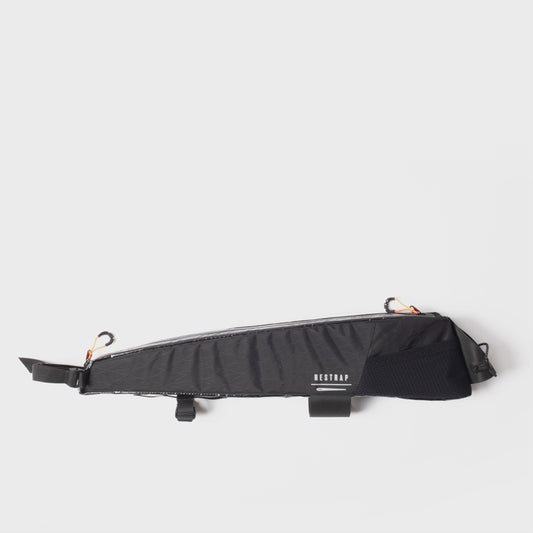
RESTRAP RACE TOP TUBE BAG LONG 2 L Black Frame Bag
Regular price 1,059.00 SEKRegular priceUnit price per -
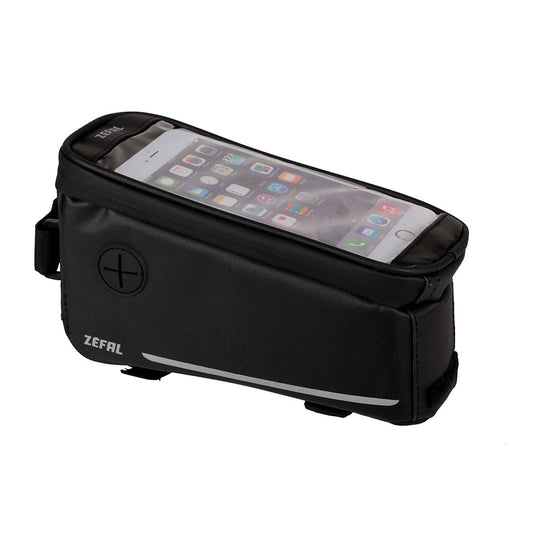
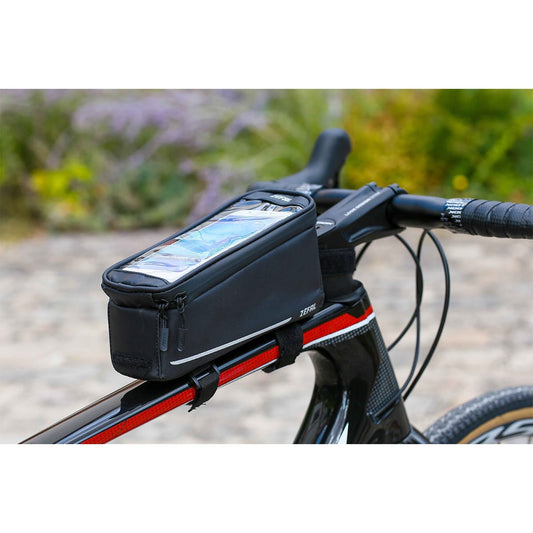
Frame Bag ZEFAL CONSOLE PACK T2 1.3 L Black
Regular price 259.00 SEKRegular priceUnit price per -
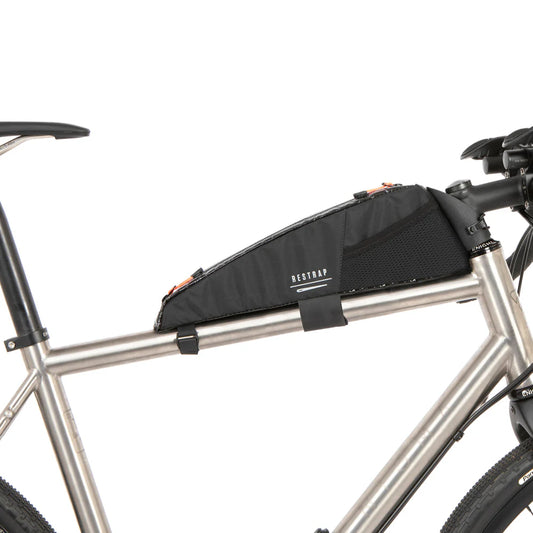
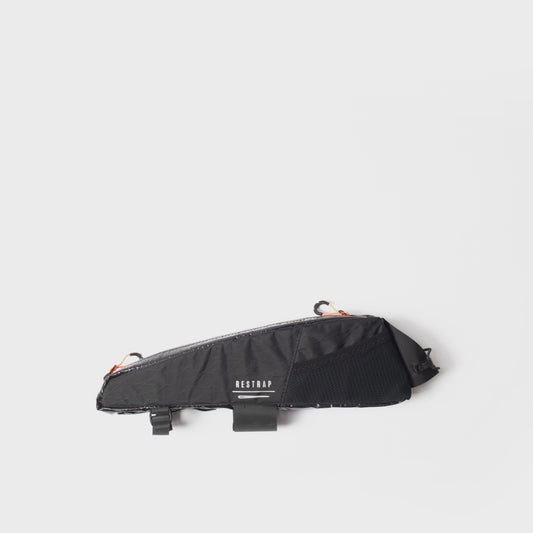
RESTRAP RACE TOP TUBE REGULAR 1.5 L Black Frame Bag
Regular price 941.00 SEKRegular priceUnit price per -
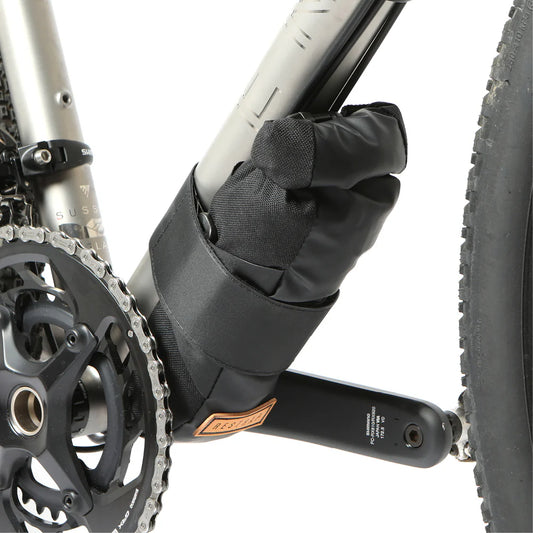
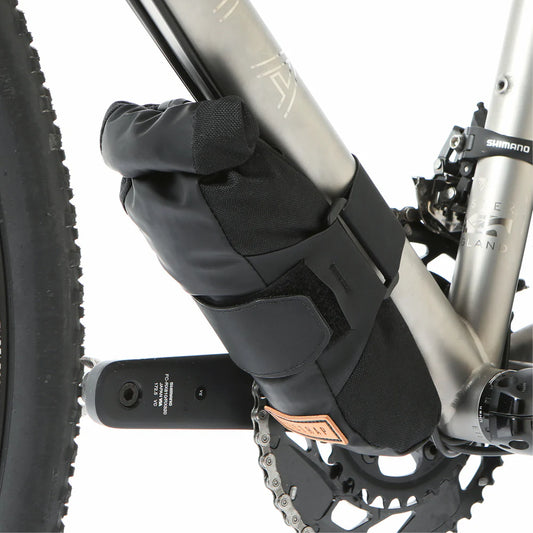
Frame Bag RESTRAP DOWNTUBE BAG 1.2L Black
Regular price 706.00 SEKRegular priceUnit price per -
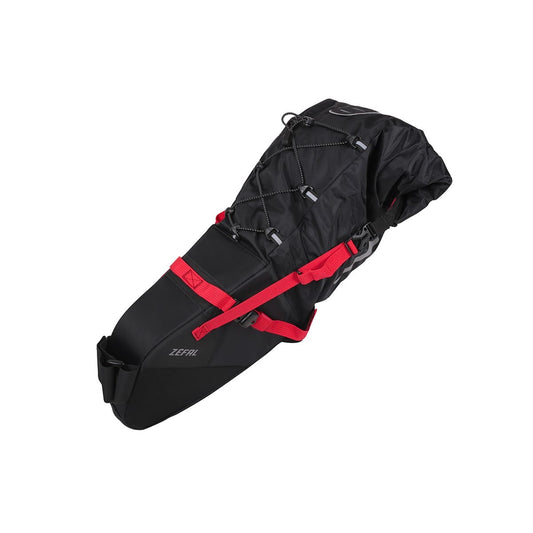
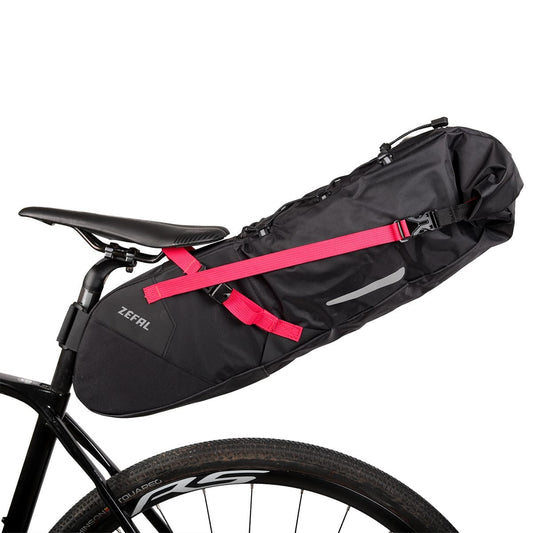
Bag for Saddle ZEFAL Z ADVENTURE R17 8 L - 17 L Black
Regular price 706.00 SEKRegular priceUnit price per