


How to choose spokes for your MTB wheels?
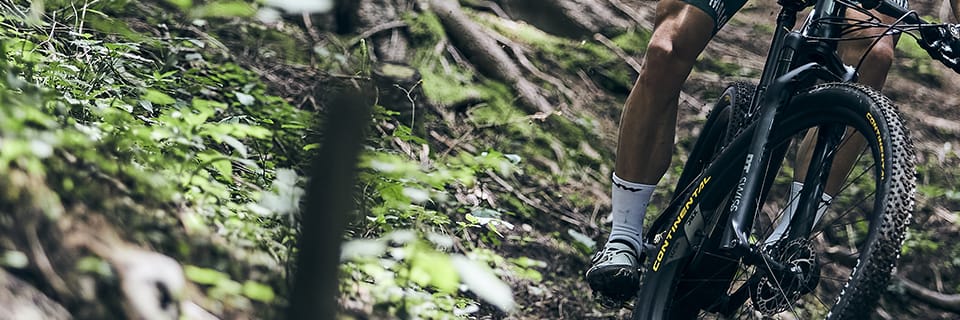
Two situations may arise: either one of the spokes on your MTB wheel has broken, or you want to build a wheel. In the first case, there is no choice — you will need to replace it with a spoke identical to the broken one. In the second case, here is what will help you choose.
The standards
Length (contact one of our advisers for help on this subject)Types of spokes
Aside from the very specific spokes particular to each wheel model, there are 3 main categories depending on the characteristics sought.
Classic spokes A are cylindrical with a constant diameter along their entire length; while not the lightest, their advantage is that they are particularly robust.
Double Butted B spokes are also cylindrical, with a diameter identical to classic spokes at the ends but smaller in the middle section. This allows good strength to be maintained whilst saving weight.
Bladed spokes C have the same design as Double Butted spokes, but the thinner section is flat on these versions, which allows for significant weight savings and makes the wheel more aerodynamic whilst retaining good strength, especially against lateral forces (elements coming across the wheel).

Which spokes for my riding style?
Touring
For a leisure MTB ride, classic spokes will give you maximum reliability.
Cross-Country
For Cross-Country rides, Double Butted and even bladed spokes will allow you to save as much weight as possible on your wheels whilst retaining all the reliability needed to finish your race without incident, especially with bladed spokes.
All-Mountain / Enduro
For All-Mountain or Enduro riding, you can either opt for classic spokes if you want reliability, or bladed spokes for maximum performance and responsiveness.
DH / Freeride
For more extreme disciplines such as DH / Freeride, classic spokes are mandatory for obvious reasons of strength.
Découvrez tous nos conseils & Tutoriels
MTB - Spokes
-
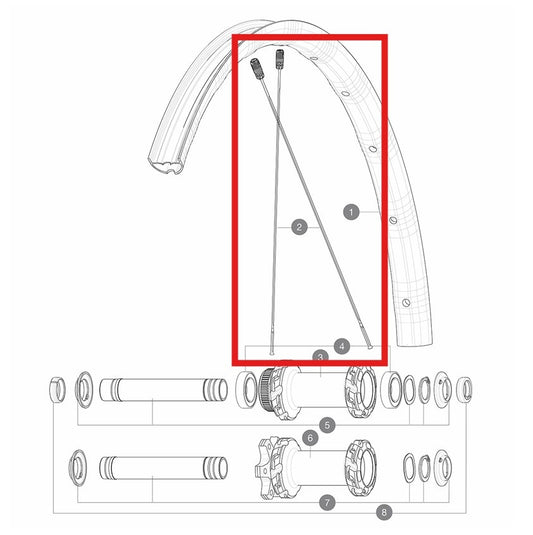
Kit 12 Spokes F/R MAVIC CROSSMAX SL/SLS/XL/XLS 29" 298mm M7/7
Regular price 410.00 SEKRegular priceUnit price per -
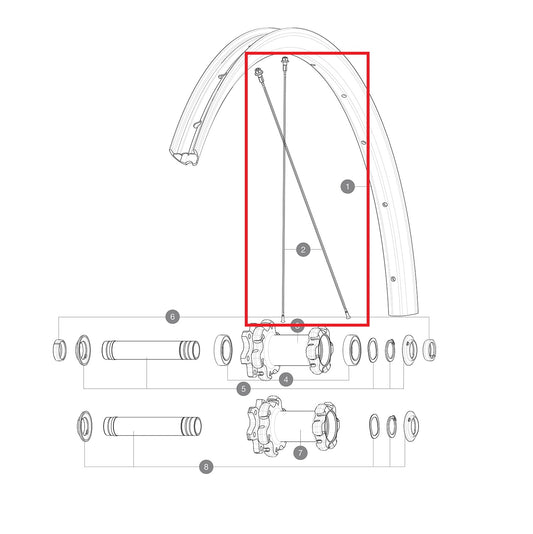
Kit 12 Spokes F/R MAVIC CROSSMAX PRO CARBON 29" 291mm
Regular price 352.00 SEKRegular priceUnit price per -
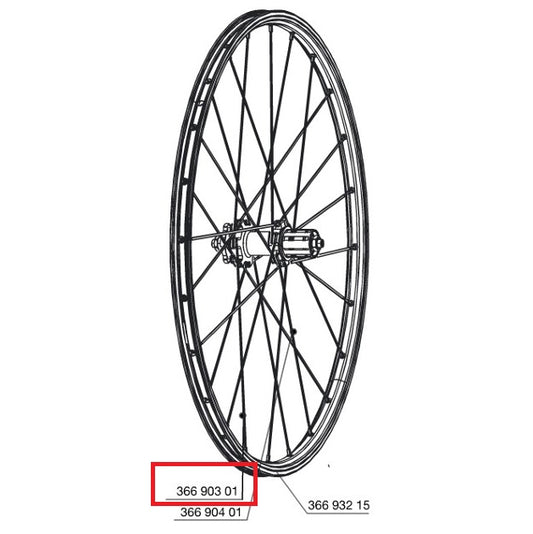
MAVIC CROSSONE/CROSSMAX/XA 29" AKSIUM DISC 9/12mm FT/AKSIUM ALLROAD Front/Rear Spoke Kit (x12) 296mm
Regular price 176.00 SEKRegular priceUnit price per -
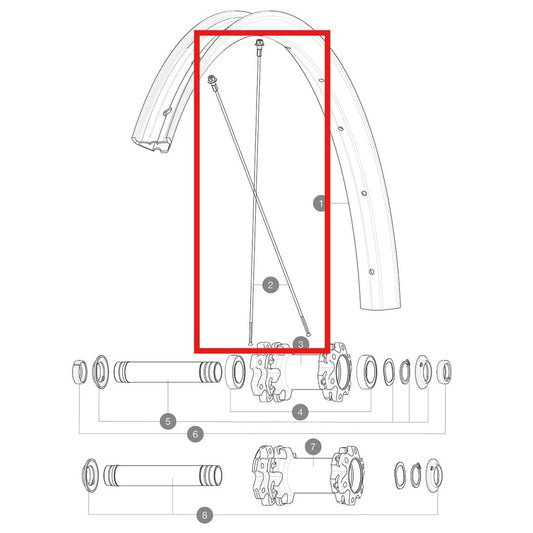
MAVIC CROSSONE/CROSSRIDE FTS-X/CROSSMAX/XA 27.5" 276mm Rear 12-Spoke Kit
Regular price 176.00 SEKRegular priceUnit price per -
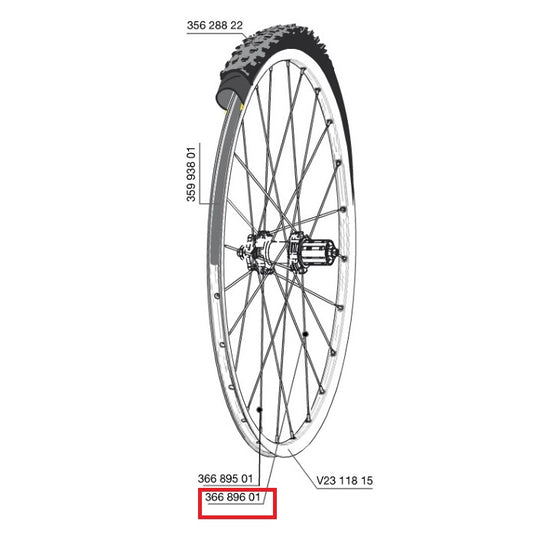
Kit of 12 Rear Spokes MAVIC CROSSROC/CROSSRIDE UST/CROSSMAX ELITE/XA ELITE 29" KSYRIUM UST Disc/AKSIUM UST Disc 293mm
Regular price 176.00 SEKRegular priceUnit price per -
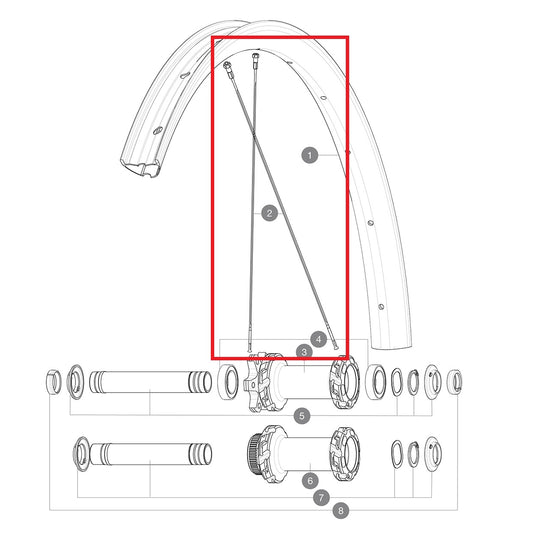
Kit 12 Front/Rear Spokes MAVIC CROSSMAX PRO CARBON S/SLR/XLR - SL ULTIMATE 29" 293mm
Regular price 387.00 SEKRegular priceUnit price per -
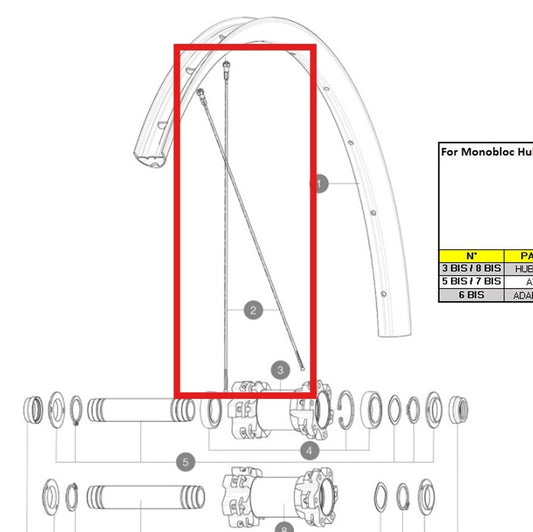
Kit 12 Spokes F/R MAVIC CROSSONE/CROSSMAX/XA 27.5" 278mm
Regular price 176.00 SEKRegular priceUnit price per -
MAVIC CROSSRIDE UB Rear Spoke Kit (x10) 276mm
Regular price 176.00 SEKRegular priceUnit price per


