How to choose your bike protections?

Today there are solutions that are as discreet as they are effective, allowing you to protect your bike from scratches, gravel and stone strikes, and more broadly from impacts that could compromise not only its appearance but also its structural integrity.
Protections that are well placed and well chosen preserve the lifespan of your bike and its resale value. They also make maintenance easier.
Characteristics of bike protections
- Types of protection: rigid, flexible, adhesive
- Parts to protect: the frame, the chainstays, the crankset, the seatpost, the valves, the fork
EVERYTHING YOU NEED TO KNOW ABOUT BIKE PROTECTIONS
Types of protection
Rigid
Primarily designed for MTB frames, rigid protections form a solid barrier against stone strikes and other impacts. They are most often secured with adjustable straps.
Flexible
They use a variety of materials, such as neoprene or plastic, and are suited to different uses depending on the model, but always primarily for MTB.
Adhesive
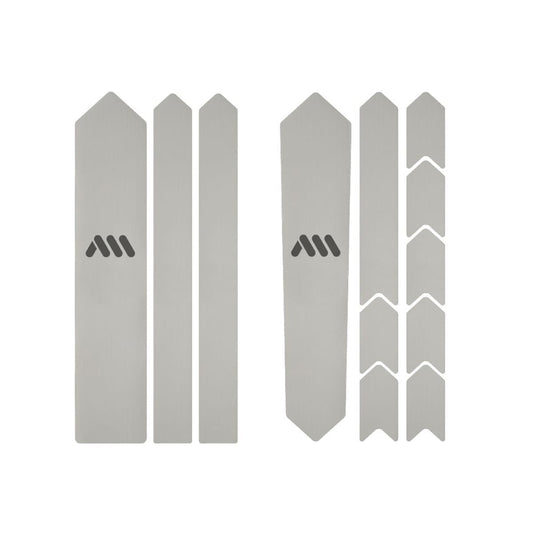
More and more protections now come in the form of transparent adhesive strips. Extremely thin and discreet, they are suitable for protecting both MTBs and road or urban bikes. They are sometimes designed for a specific bike model, or to be cut from a roll according to your needs. Some ready-to-apply kits contain pieces of various sizes and shapes.
They are easy to apply and hold extremely well, even if moisture and UV rays eventually require occasional replacement. They primarily offer aesthetic protection against scratches, but the thicker models show genuine resistance against impacts. They are not repositionable and lose much of their adhesive strength if removed. If you have incorrectly positioned the protector, apply a new one.
Parts to protect
The frame
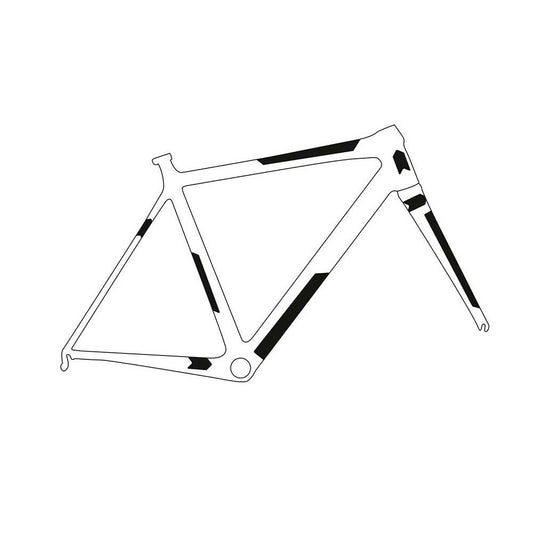
Frame protectors preserve the most important part of the bike! Manufacturers have developed a very wide range of adhesive protectors. Almost invisible, they do not alter the look of your machine in any way.
Other protectors, rigid this time, are secured to the frame with adjustable straps, for example under the down tube. This is the most exposed part to stones and impacts! These rigid protectors can be custom-made or available in different sizes. Don't forget to protect areas where brake or derailleur cable housings may rub, for example at the head tube. Rubbing creates abrasion within minutes! These unsightly marks are easily avoidable with a small piece of adhesive protection placed in the right spot.
The chainstays
Increasingly, manufacturers are integrating a silicone chainstay protector into their bikes on the derailleur side. Indeed, in this area, the chain can cause a lot of damage! Vibrations alone are enough to make it slap against the chainstay. A dropped chain or chainsuck also causes a violent impact between the chain and the frame. The result? Scratches and, in the long run, a possible crack!
For bikes that do not have a built-in chainstay protector, neoprene models are available in all sizes. They fasten with velcro. Their elasticity allows them to fit perfectly to all chainstay shapes. Another advantage of the chainstay protector: it makes the bike much quieter!
The crankset
This component is highly exposed to the elements. It can come into contact with the ground, suffer stone strikes and rubbing from the rider's shoes. A simple adhesive strip stuck to the outer face of the cranks preserves their shine and any graphics!
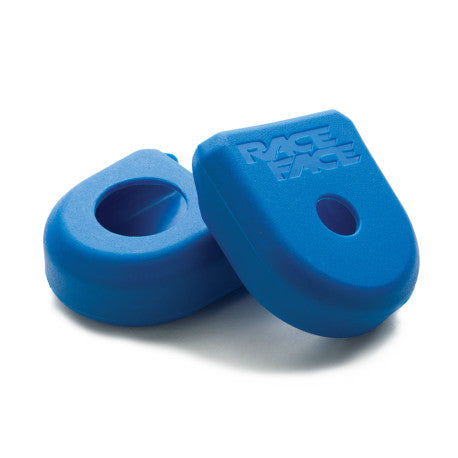
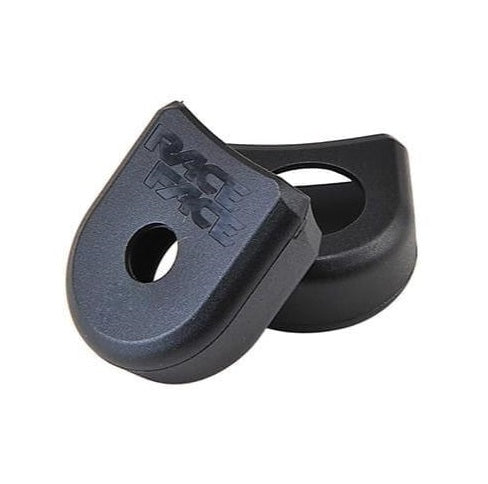
Some manufacturers also offer flexible silicone protections to slip over the ends of the cranks. They protect against impacts with the ground and are indispensable on carbon cranksets!
The fork
Neoprene sleeves can be fitted around the stanchions of the fork or the shock absorber, to prevent dust or mud from sticking. Clean the stanchions carefully before installing the sleeves. If a stone gets trapped underneath, it can scratch the surface finish.
The seatpost
Seatposts, and in particular telescopic MTB models, are increasingly technical. To protect them from debris or moisture and extend their lifespan, it is possible to install a neoprene sleeve-shaped protector. It slides around the exposed section.
Tyre valves
An adhesive sticker to stick on the rim, around the valve, prevents infiltration. It also limits valve vibrations. Any creaking noises are stopped and the valve is no longer at risk of unscrewing itself under the effect of shocks transmitted by the tyre.
Which bike protections should you choose?
For a road bike, the risks of stone strikes or impacts are limited. Adhesive strips to prevent cable housing rub marks and a chainstay protector are sufficient.
In MTB, the same principle can apply, but the use of reinforced adhesive strips — more numerous and thicker — is recommended. Rigid frame protectors, particularly under the down tube and bottom bracket, prevent a great deal of trouble as a complement!
If you choose a rigid protector for your frame, check the compatibility stated by the manufacturer carefully. Where possible, try to select a model designed for your bike. You can be certain of obtaining a solid and suitable fit. The protection is then optimal! Carbon frames in particular deserve the most rigid protections possible.
In certain disciplines, such as Enduro or Downhill, riders choose to install a chainstay protector on each side of the rear triangle, not just on the drivetrain side. Debris and impacts are less likely to cause damage with this trick!
Découvrez tous nos conseils & Tutoriels
ACCESSORIES - Bike Protection
-
ALL MOUNTAIN STYLE EXTRA Gravel/Road Adhesive Frame Protection Silver/Transparent
Regular price 469.00 SEKRegular priceUnit price per -
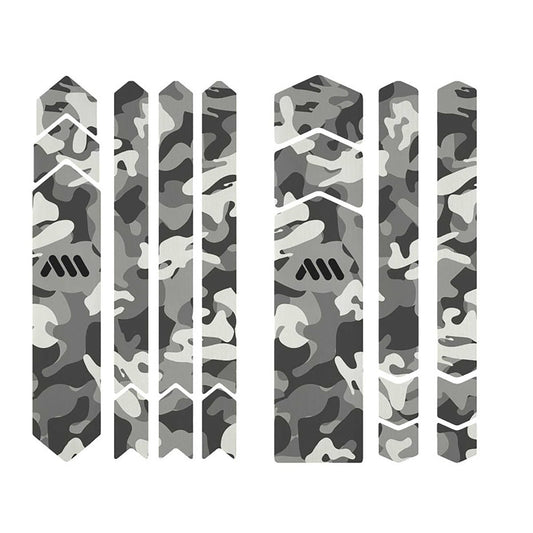
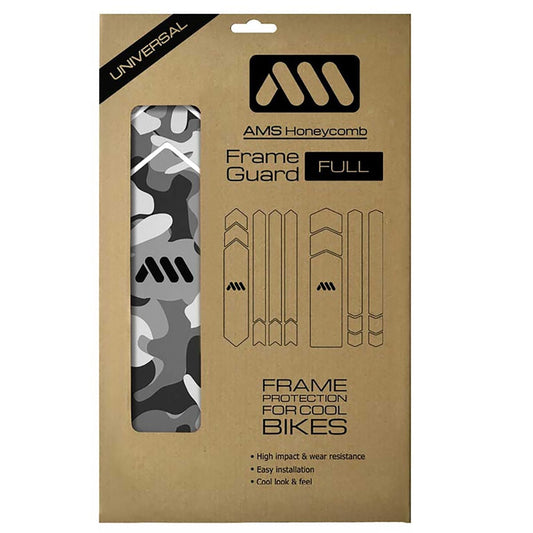
ALL MOUNTAIN STYLE FULL Camo Adhesive Frame Protection
Regular price 645.00 SEKRegular priceUnit price per -
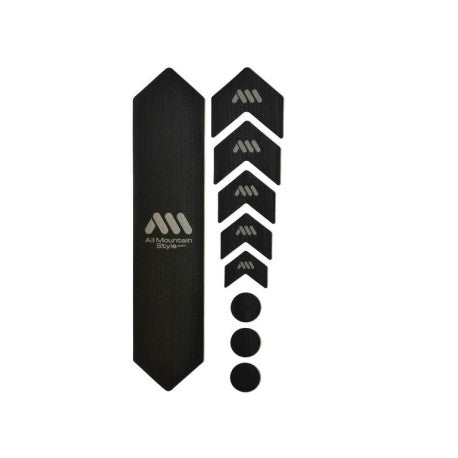
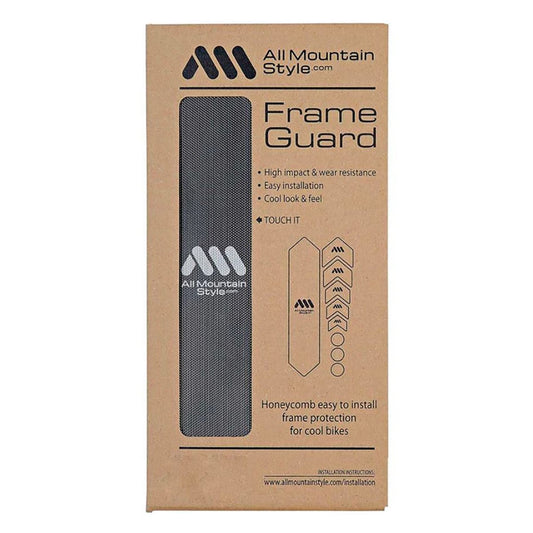
ALL MOUNTAIN STYLE BASIC Black Adhesive Frame Protection
Regular price 352.00 SEKRegular priceUnit price per -
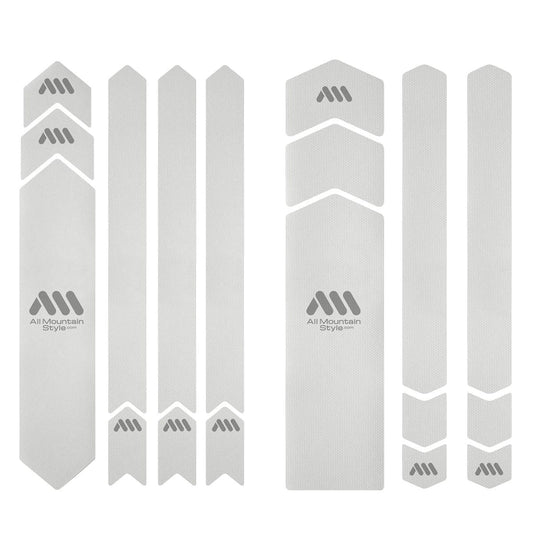
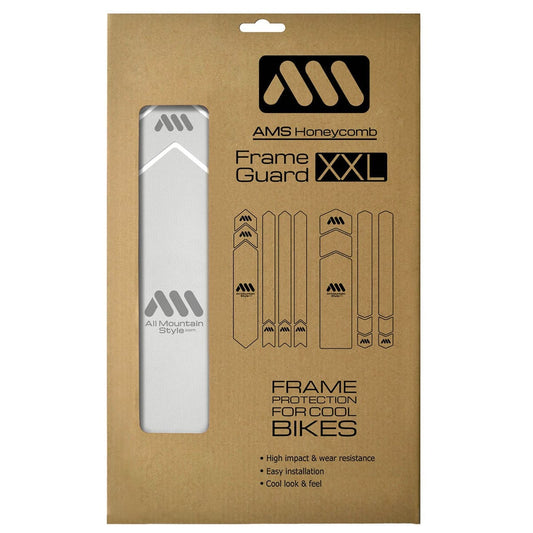
ALL MOUNTAIN STYLE FULL Transparent Adhesive Frame Protection
Regular price 563.00 SEKRegular priceUnit price per -
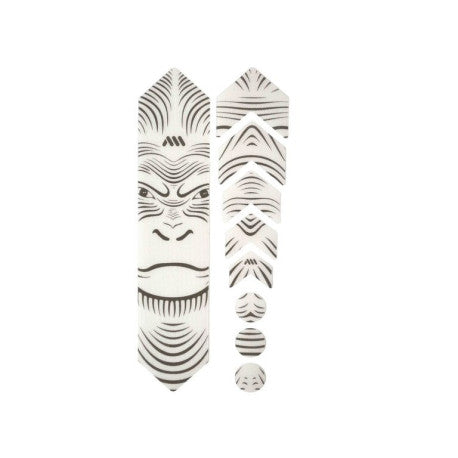
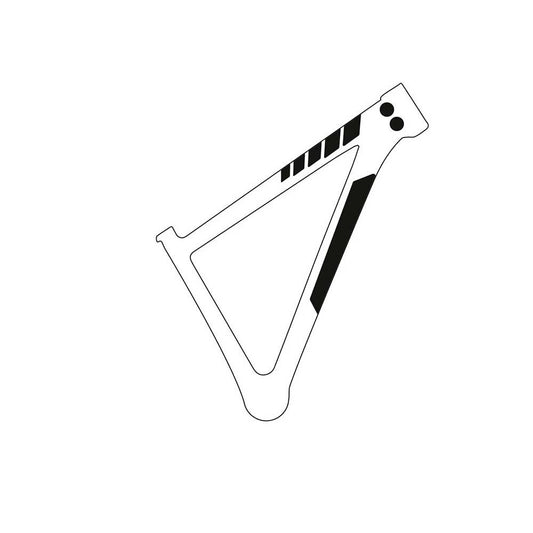
ALL MOUNTAIN STYLE BASIC Ape Black Adhesive Frame Protection
Regular price 352.00 SEKRegular priceUnit price per -
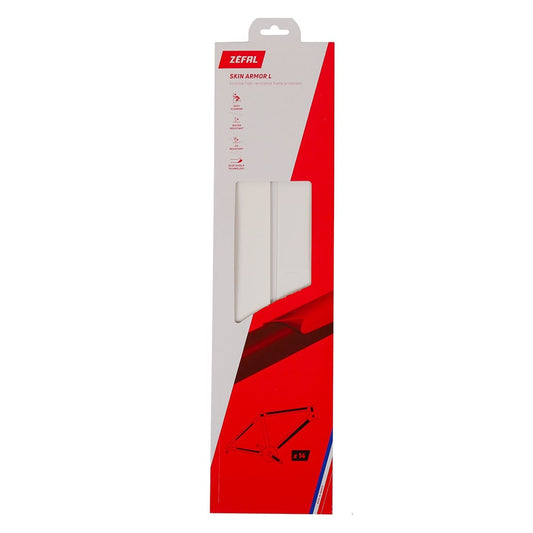
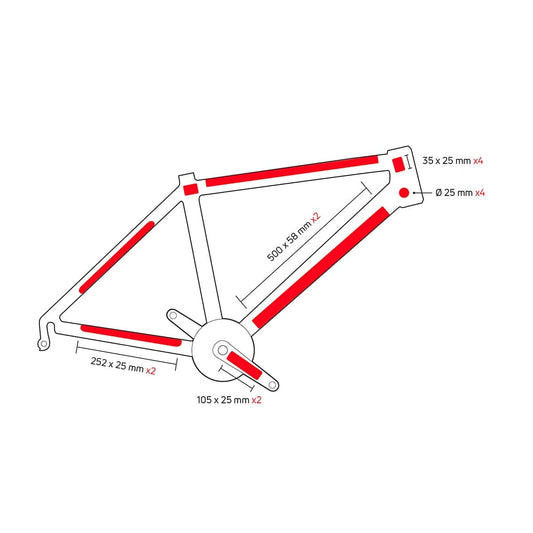
ZEFAL SKIN ARMOR L Adhesive Frame Protector
Regular price 211.00 SEKRegular priceUnit price per