


MTB - Training and progressing in MTB
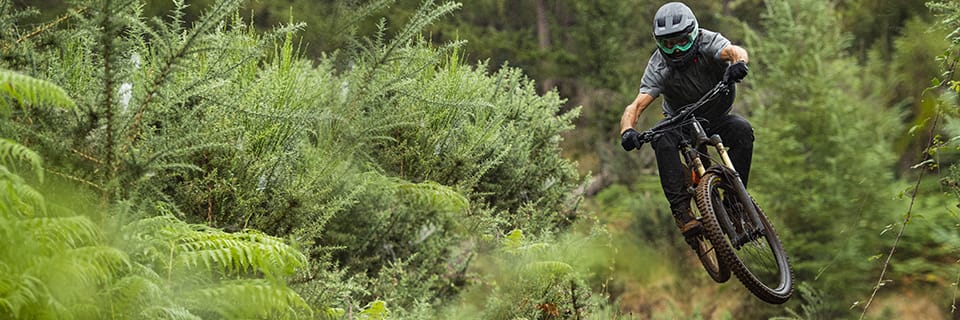
MTB demands constant commitment, both uphill and downhill, regardless of the type or level of riding. A minimum of training therefore seems essential to ride safely and make the most of your outings. Riding regularly is a good starting point for maintaining your MTB fitness. But to hope to progress in a discipline (XC, Enduro, Downhill), you need to follow a tailored preparation.
It is never too late to work on your mountain biking skills! You can develop your physical qualities and sharpen your riding skills with well-chosen training and exercises.
Discover all the Probikeshop team's tips for progressing in MTB.
HOW TO WORK ON YOUR ENDURANCE TO PROGRESS IN MTB?
Endurance is the ability to last through effort, to ride for a long time at a consistent level. It is the first quality that the mountain biker works on to improve their physical condition. Building endurance helps push back the (inevitable) moment when fatigue sets in.
Improving your endurance level
Like all endurance sports, mountain biking puts demands on the body in terms of breathing, cardiovascular, muscular and energy systems. Not to mention the mental dimension of physical exercise. Your abilities across all these areas determine how long you can sustain your effort on the MTB.
Endurance sessions allow you to work on different aspects of the mechanics of effort, including:
- Aerobic capacity or cardiorespiratory capacity (the ability to efficiently deliver oxygen to the muscles);
- Muscular endurance;
- Mental management of fatigue.
The longer the MTB competition, the more decisive endurance becomes. Logically, base fitness preparation is far more important in cross-country than in downhill. Regardless of the discipline practised, endurance work remains fundamental to improving physical fitness.
Exercises for developing endurance
To improve your MTB endurance, you need to extend your rides. The idea is to get your body, your organism, your muscles, your cardio and your "energy engine" used to riding for longer. Whatever your starting level, increasing the duration of sessions is always progressive. Your training should regularly incorporate sessions focused on base fitness.
It is not enough to ride for hours blindly — you also need to ride at the right intensity. Endurance pace is a comfortable rhythm (less than 85% of Max HR or 40–60% of MAP). It corresponds to light (i1) or moderate (i2) intensity on the ESIE scale.
Examples of training to progress in endurance:
- MTB ride lasting between 2 and 5 hours (light intensity i1 or moderate i2);
- Road bike ride lasting between 2 and 5 hours (i1 or i2);
- Turbo trainer session lasting between 2 and 5 hours (i1 or i2);
- Other sports: running, swimming, cross-country skiing.

HOW TO IMPROVE YOUR PHYSICAL QUALITIES TO PROGRESS IN MTB?
After endurance, the other skills of the mountain biker are strength, power, cadence, resistance and explosiveness. Climbing a long ascent at a steady pace, tackling punchy descents, relaunching at every corner, powering through brutal gradients… MTB demands strong legs and a strong upper body!
Interval training to progress
The mountain biker never exerts a linear effort, as the rough, technical and tricky terrain forces them to change pace frequently. In training, they must get used to repeatedly producing explosive efforts.
Interval training is an excellent exercise for progressing in MTB and pushing your limits. It consists of repeating several sets of high-intensity efforts, interspersed with recovery periods. It notably boosts endurance and explosiveness, while mentally preparing you for the demands of competition.
To closely match the efforts required in MTB (particularly in XC and Enduro), it is advisable to target the intensities of zones i5 and i6 during your sessions. They allow you to progress in terms of maximal aerobic power (i5) and lactate tolerance (i6).
Examples of interval training exercises:
- 3 sets of 10 minutes at critical intensity (i4) + 5 minutes of recovery at moderate intensity (i2), on rolling terrain;
- 3 sets of 2 minutes at above-critical intensity (i5) + 2 minutes of recovery at i2, on a slight climb;
- 6 sets of 1 minute at i5 + 5 minutes of recovery at i2, on rolling terrain;
- 2 sets of 12 repetitions of 20 seconds at sub-maximal intensity (i6) + 40 seconds of recovery, on a very steep gradient above 15%.
Working on pedalling strength and cadence
It is not enough to vary intensity in training — it is also useful to vary pedalling cadence. Just as intensity is not linear in a race, the mountain biker's pedalling rhythm is not constant either. On descents, they must sprint to relaunch, expressing their full power over a very short period of time.
On climbs, they must power through certain sections or relaunch with cadence using a small gear.
Low-cadence exercises improve strength, overspeed exercises improve cadence, and sprints improve explosiveness.
Examples of strength-focused exercises for MTB:
Sustained pace (i3) for 3 minutes until exhaustion, seated in the saddle at a low cadence (60 rpm), on a regular 5% gradient (to be repeated 2 times);
Sustained pace (i3) for 3 minutes, seated in the saddle at a low cadence (60 rpm) + critical effort (i4) out of the saddle until exhaustion (60 rpm), on a regular 6% gradient (to be repeated 2 times).
Examples of cadence-focused exercises for MTB:
Repeat standing-start sprints with a gear ratio that allows you to finish at 120 rpm (on the flat) and 100 rpm (uphill);
Overspeed exercise on a gentle downhill (3 km at sustained intensity with a high cadence (120 rpm).
Examples of explosiveness-focused exercises for MTB:
- Short sprints (7 seconds);
- Jump squats.
Building strength in the gym
Muscle strengthening and core stability exercises are always useful for MTB. They represent an important part of training in the most demanding disciplines, such as Downhill.
Serious physical preparation helps you become stronger, more resistant and more powerful on the bike. It also helps correct muscular imbalances and prevent pain and injuries. By improving your physique, you improve both your position, your sensations and your efficiency on the MTB. You reduce unnecessary movements that hinder riding fluidity and optimise your power transfer.
Gym training targets both the upper and lower body. Your sessions should target the muscle groups most used in MTB: the legs, abdominals, back, chest, biceps, triceps and shoulders.
Examples of muscle strengthening exercises for MTB:
- Chair;
- Squats and jump squats;
- Lunges;
- Bench press;
- Medicine ball;
- Rowing machine;
- Core stability exercises;
- Proprioception exercises.
HOW TO IMPROVE YOUR MTB TECHNIQUE?
MTB technique encompasses all the skills useful to the mountain biker for mastering their bike. It covers different qualities (handling, agility, dexterity, reflexes) and riding competencies (braking technique, line awareness, position). While some of these qualities are innate, you can always work on them in training to progress in MTB.
Technique matters at every moment in MTB but is expressed first and foremost on descents, on the most challenging terrain. The best technicians are the most comfortable on descents, the most fluid and the most skilled.
The fundamentals of MTB technique
Technical exercises aim to improve your ability to control and handle your MTB. This work involves fun exercises that challenge your sense of balance, your handling skills and your agility.
If the sportive route is fairly flat, using deep-section rims allows you to gain in aerodynamics. We recommend adapting your strategy based on your build and playing to your strengths. If you have a "lightweight climber" profile, there is no point setting off with deep-section rims. One idea to bear in mind: lightweight equipment is always beneficial on races with a significant elevation gain.
You can create small themed circuits, weaving between trees, with tight turns, right/left, off-camber, etc. Repeat the sections to gain fluidity, improve your position and find the best gear ratio out of corners. Other fundamental MTB techniques are worth mastering, such as the manual or the bunny hop.
Improving downhill performance
Practising runs repeatedly is important for improving your downhill technique. Descending a trail multiple times helps you refine your lines, gain speed and build confidence. You can work on your corner entries and exits by varying your approach speeds and angles. The goal is to find the best balance between speed and grip.
Technical and committed descents place great demands on the body. When not sprinting at full power, the rider generally remains static on their legs. Gym exercises can help to hold this attack position (wall sit and squats).
Some tips for improving your technique
- Vary the terrain on descents (fast, technical, punchy, rocky, roots, dry, wet, muddy);
- Mix up your cycling disciplines: BMX or Pumptrack are excellent for improving your MTB technique!
- Train at a bike park for commitment and speed;
- Incorporate downhill work into your physical sessions to simulate real race conditions.
OPTIMISING RECOVERY TO OPTIMISE MTB TRAINING
Recovery and all topics related to lifestyle habits should be taken into account in MTB training. The quality of sleep and nutritional intake during and after exercise are decisive. Improving your habits in these areas will help you reach your best level.
Passive recovery and active recovery
Recovery is a full phase of MTB training that is too often neglected. These moments are essential for capitalising on the work done and properly initiating the progression process. The body needs rest to regenerate and readapt, to eliminate waste products and replenish its reserves.
You should regularly schedule breaks in your training programme (passive recovery). Recovery rides at a low pace are also beneficial after an intensive training phase (active recovery). Riding for 1 to 2 hours at a low pace helps activate the muscles and eliminate toxins.
Sleep quality has a direct impact on the mountain biker's form. Poor sleep leads to fatigue and prevents the body from assimilating training efforts. Improving sleep regularity, with full nights of 7 to 9 hours, will contribute to making you a better athlete.
Healthy eating and effective sports nutrition
Nutrition and hydration are other performance-related topics that the mountain biker must seek to improve. During effort, an effective strategy must be put in place to provide the body with all the energy it needs. After effort, you must replenish your reserves as quickly as possible to optimise your recovery.
In your daily life, you should ensure you follow a healthy and varied diet. This is the best way to provide your body with all the essential nutrients. And to prevent any form of deficiency that could harm your fitness and performance.
TRAINING FOR CROSS-COUNTRY MTB, ENDURO MTB AND DOWNHILL MTB
Each MTB discipline has its own physical and technical demands. You need to clearly identify the required qualities in order to tailor the training plan that will allow you to progress.
Training and progressing in Cross-country
In XCO format, a cross-country competition represents more than an hour of effort, repeated at a sustained pace. Technical descents follow demanding climbs over several laps of the circuit. The difficulty lies in holding the distance while chaining intensities and staying sharp on the descents.
Cross-country training begins with a solid endurance block. This preparation then allows you to progress on specific qualities: muscular strength/power, cadence and explosiveness. Sessions also incorporate technical sections to work on riding skills.
Training and progressing in Enduro
MTB Enduro requires riding skills on the timed stages and an impeccable level of fitness to handle the liaisons properly. The accumulated liaisons represent several tens of kilometres and a significant positive elevation gain. All efforts are concentrated over one or two days, depending on the format. The key challenge of Enduro? Having enough "engine" to prevent your riding abilities from deteriorating over the kilometres.
MTB Enduro competition requires complete training, combining physical preparation and technical work on the bike. Endurance is a pillar that must not be neglected, in order to cope with the distances and efforts. "Punch", strength and upper and lower body resistance are the main areas of progression for the MTB enduro rider. Regular technical training allows you to continuously sharpen your riding.
Training and progressing in Downhill
In DH, you need to be able to ride and control your MTB, commit fully and stay sharp. The rider's technique and instinct count for nothing without solid physical fitness. Muscular tension is at its maximum during a run!
Muscle strengthening plays an essential role in the preparation of the MTB downhill rider. Core stability and strength training exercises help develop muscular power and endurance. Explosiveness is also the subject of specific and regular training. Finally, the DH rider must work on their cardio to delay the onset of fatigue and chain runs more easily.
Découvrez tous nos conseils & Tutoriels
MTB Universe
-
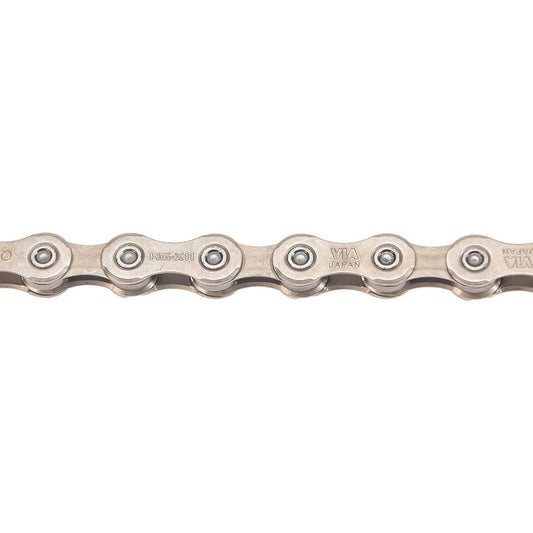
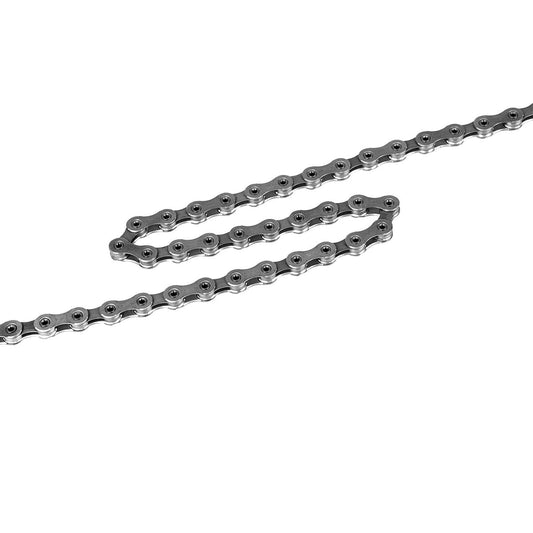
SHIMANO XT ULTEGRA CN-HG701-11 E-Bike Rated 11-Speed Chain
Regular price From 293.00 SEKRegular priceUnit price per -
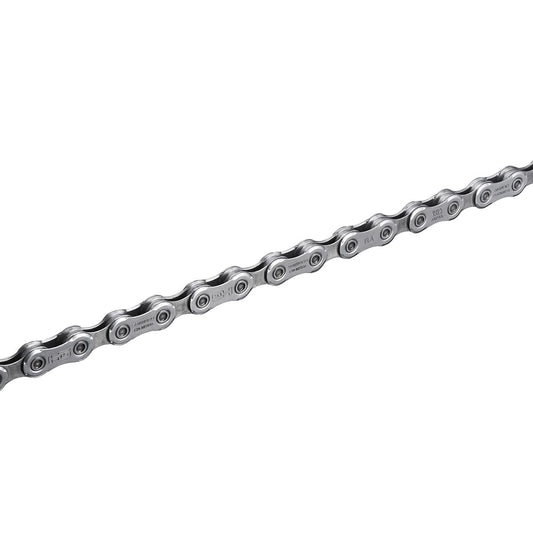
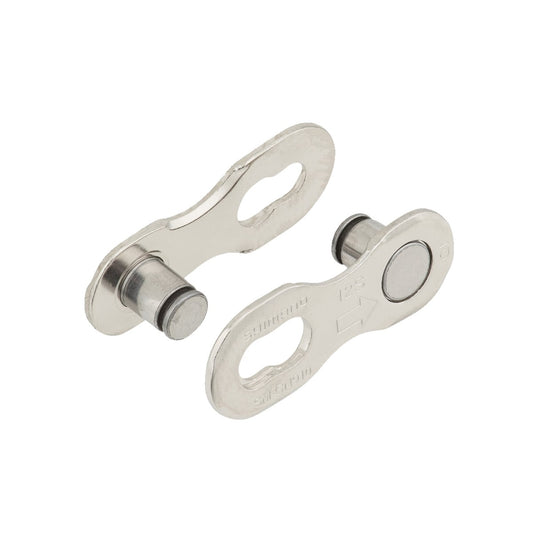
12-Speed Chain SHIMANO XT ULTEGRA CN-M8100 Quick Link E-Bike Rated
Regular price From 352.00 SEKRegular priceUnit price per -
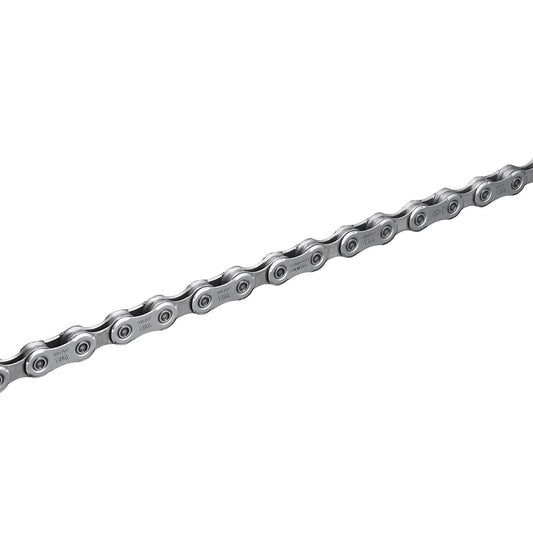
12-Speed Chain SHIMANO SLX 105 CN-M7100 Quick Link E-Bike Rated
Regular price From 223.00 SEKRegular priceUnit price per -
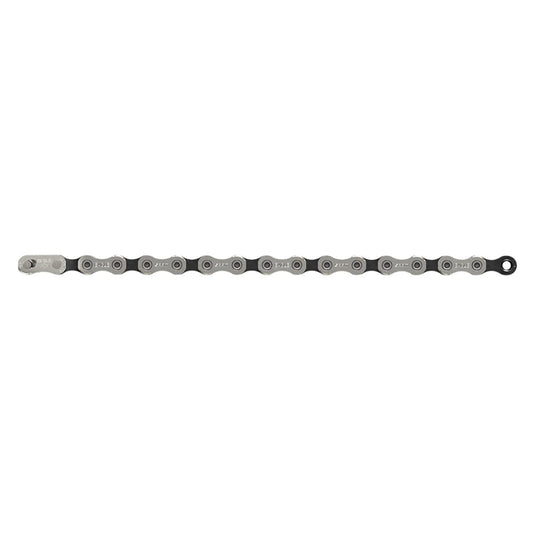
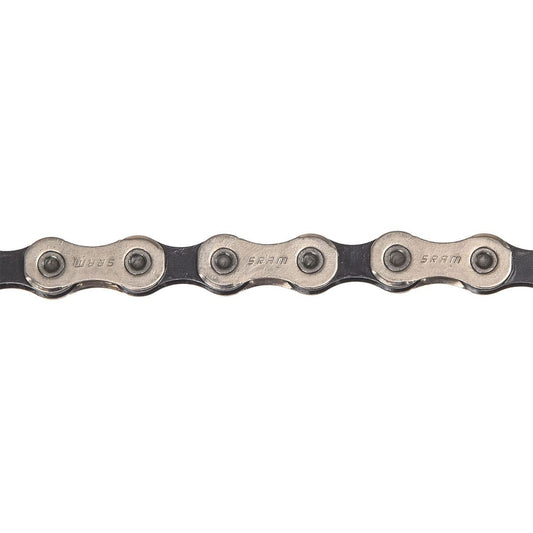
12-Speed Chain SRAM GX EAGLE
Regular price From 235.00 SEKRegular priceUnit price per -
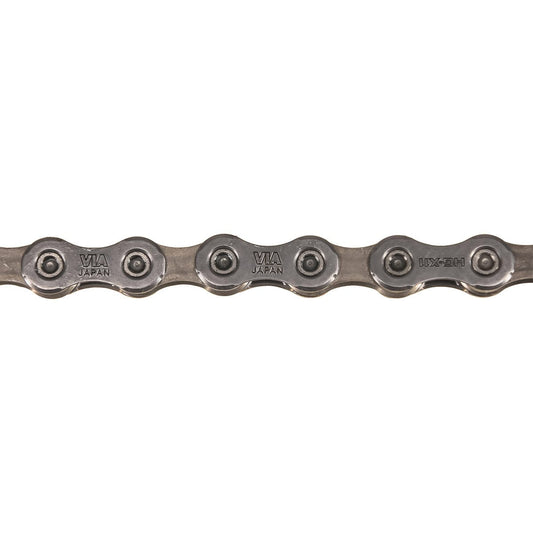
SHIMANO SLX 105 CN-HG601-11 11-Speed Chain E-Bike Rated
Regular price From 223.00 SEKRegular priceUnit price per -
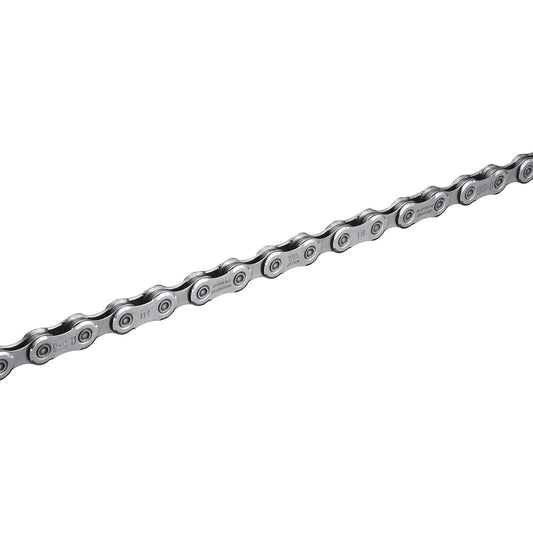
12-Speed Chain SHIMANO DEORE CN-M6100 Quick Link E-Bike Rated
Regular price From 188.00 SEKRegular priceUnit price per -
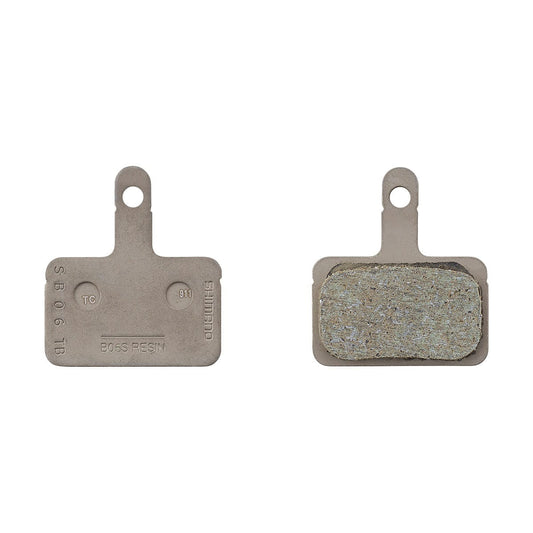
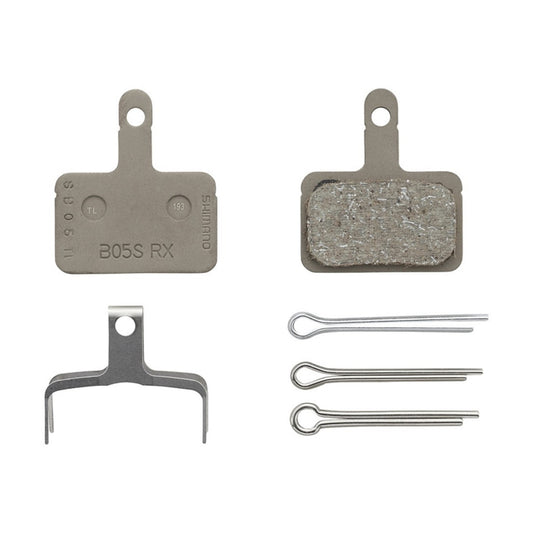
SHIMANO B05S-RX Organic Brake Pads
Regular price 71.00 SEKRegular priceUnit price per -
12-Speed Cassette SHIMANO DEORE XT CS-M8100
Regular price From 1,114.00 SEKRegular priceUnit price per


