


How to choose your MTB inner tubes?
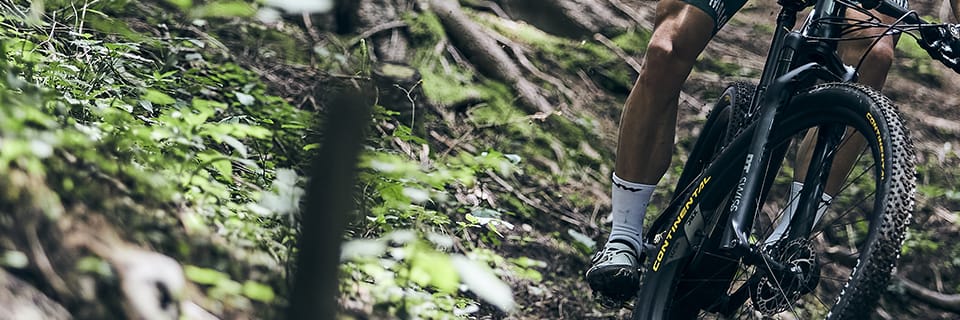
One might think that choosing an MTB inner tube is simple. However, there are a few subtleties to note in order to find the right one. Here are some tips on the subject.
Standards
- Wheel sizes for an adult bike: 26", 27.5", 27.5+ and 29"
- Tyre width
- Valve types: Presta, Schrader, or less commonly Dunlop
Inner tube types
The size of an inner tube is made up of two numbers: the first value corresponds to the tyre diameter and the second is a range based on the tyre widthb.
For example, a 27.5"x1.50/2.35 inner tube is designed for a 27.5" diameter MTB tyre and for a width between 1.50" and 2.35".
There are different valve types on inner tube models. Make sure you choose one that is compatible with your rim. It is either a Presta c type, quite narrow and commonly used on road bikes but also widespread in MTB; or Schrader d, wider and identical to the one used on cars; or Dunlop e, generally reserved for Dutch city bikes.
The inner tube f itself is most often made of butyl but you can also find latex ones which, despite poorer airtightness, have the undeniable advantage of being less susceptible to punctures and up to twice as light.

For butyl inner tubes (Butyl, a particularly airtight rubber used to make most bicycle inner tubes.), you will have the choice between standard models or reinforced versions to limit punctures, or even pre-filled with puncture-prevention liquid. There are "ultralight" versions, very thin but more fragile, for those looking to save weight.
Which inner tube for my riding style?
The inner tube used can contribute to slightly improving the bike's performance. Even though it is possible to fit any type of inner tube (always making sure to respect the standards), here is what we recommend.
-
Touring
For touring, a butyl inner tube, possibly with puncture-prevention liquid, will provide the best possible reliability without weighing your wheels down too much.
-
Cross-Country
For XC rides, latex inner tubes will achieve the lightest possible setup without taking risks against punctures. However, be aware: these tubes lose pressure quickly, so you will need to re-inflate them before each ride.
An alternative is possible with "ultralight" butyl inner tubes. While these hold pressure well, their puncture resistance can become an issue if you ride on "thorny" terrain.
-
All-Mountain / Enduro
For All-Mountain or Enduro riding, classic or reinforced butyl inner tubes will be the most reliable in all conditions.
-
DH / Freeride
For these disciplines, reinforced butyl inner tubes are a must if you want to finish your ride without any trouble.
Découvrez tous nos conseils & Tutoriels
MTB - Inner Tubes
-
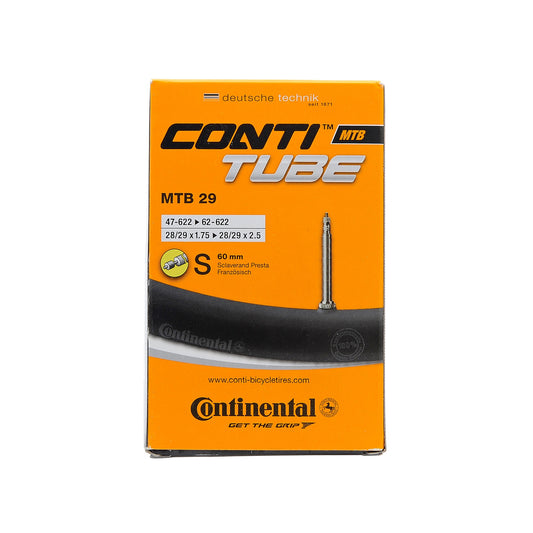
CONTINENTAL Inner Tube 29x1.75-2.5 Presta 60mm
Regular price 47.00 SEKRegular priceUnit price per -
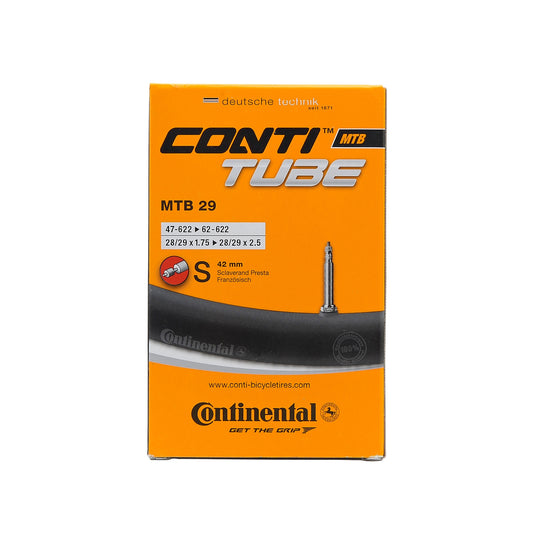
CONTINENTAL 29x1.75-2.5 Presta 42mm Inner Tube
Regular price 71.00 SEKRegular priceUnit price per -
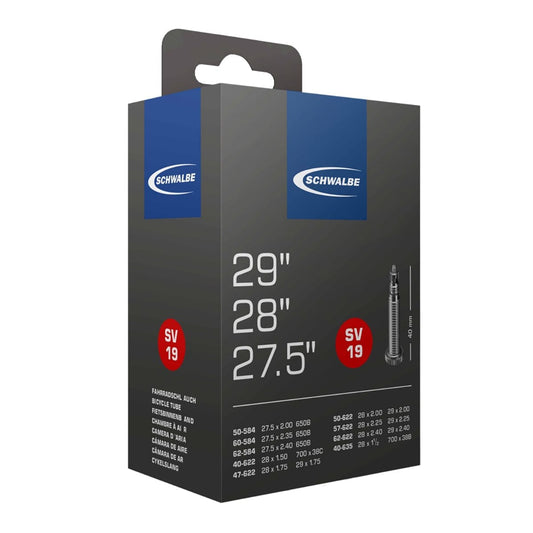
SCHWALBE Inner Tube 27.5/29x2.00/2.40 Presta 40mm
Regular price 93.00 SEKRegular priceUnit price per -

CONTINENTAL 26x1.75-2.5 Presta 42mm Inner Tube
Regular price 59.00 SEKRegular priceUnit price per -

Inner Tube HUTCHINSON 29x2.30 - 2.85 Presta 48mm
Regular price 93.00 SEKRegular priceUnit price per -
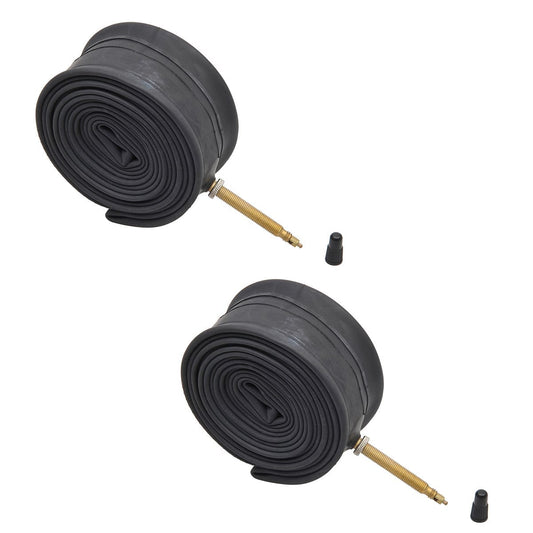
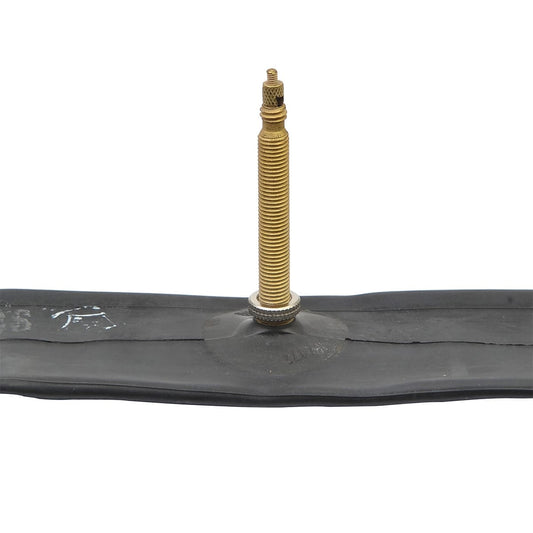
HUTCHINSON Inner Tube 29x1.70 - 2.35 Presta 48mm (Pack of 2)
Regular price 93.00 SEKRegular priceUnit price per -
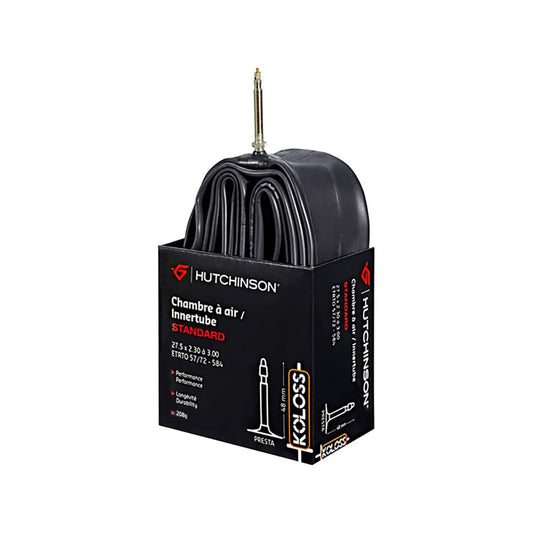
HUTCHINSON KOLOSS Inner Tube 27.5x2.30 - 2.85 Presta 48mm
Regular price 93.00 SEKRegular priceUnit price per -
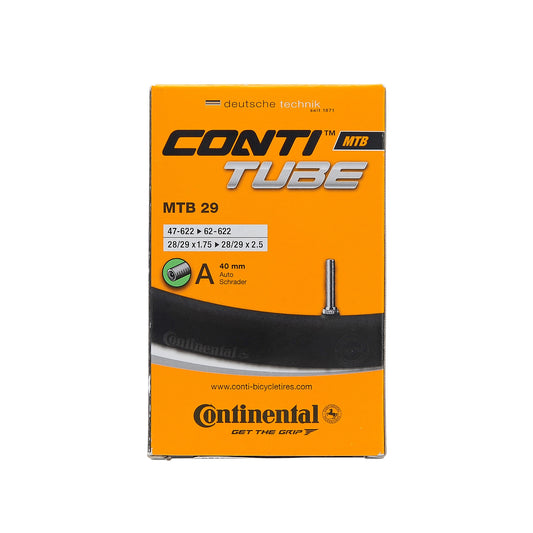
CONTINENTAL 29x1.75-2.5 Schrader 40mm Inner Tube
Regular price 59.00 SEKRegular priceUnit price per


